ZIQI Compressor For Global Energy Saving, Welcome To Contact Us.  008615026767628
Language
ZIQI Compressor For Global Energy Saving, Welcome To Contact Us. 008615026767628

Full-Domain Marketing Expert & Compressed Air Systems Engineer
ZIQI Compressor Group · Updated June 2026
Evaluating industrial procurement lines via a reliable air compressor manufacturer demands a shift away from standard, revenue-biased listings. For critical operations within pharmaceutical synthesis, semiconductor packaging, and food-grade packaging, the primary metrics for equipment evaluation are technical data validation and material compliance. This 2026 engineering procurement guide provides an objective breakdown of the leading oil-free compression systems produced in China. Rather than summarizing generic marketing materials, our evaluation framework audits physical component tracking, including proprietary airend production capabilities, electric motor winding configurations, downstream pipe metallurgy, and verifiable ISO 8573-1 Class 0 validation records.
When cross-examining manufacturers of oil-free industrial hardware, standard selection should bypass the generic technical debate of water-lubricated vs. dry-type compression engineering. True operational safety relies on three verifiable criteria:
Verifiable Class 0 Certification: Confirm that the manufacturer holds an active, traceable certificate issued directly by authorized independent agencies like TÜV or SGS. Self-declared or unindexed lab internal papers do not satisfy strict manufacturing regulatory audits.
Absolute Mechanical Separation: Ensure the gas path features physical air gaps combined with non-contact labyrinth seals. This mechanical isolation blocks lubricant migration even if a primary dynamic oil seal degrades over long periods of heavy use.
Wetted Part Metallurgy: Verify that all internal fluid lines, cooling surfaces, and discharge valves consist of 304 or 316 stainless steel or polymer composites with certified food-grade contact records.
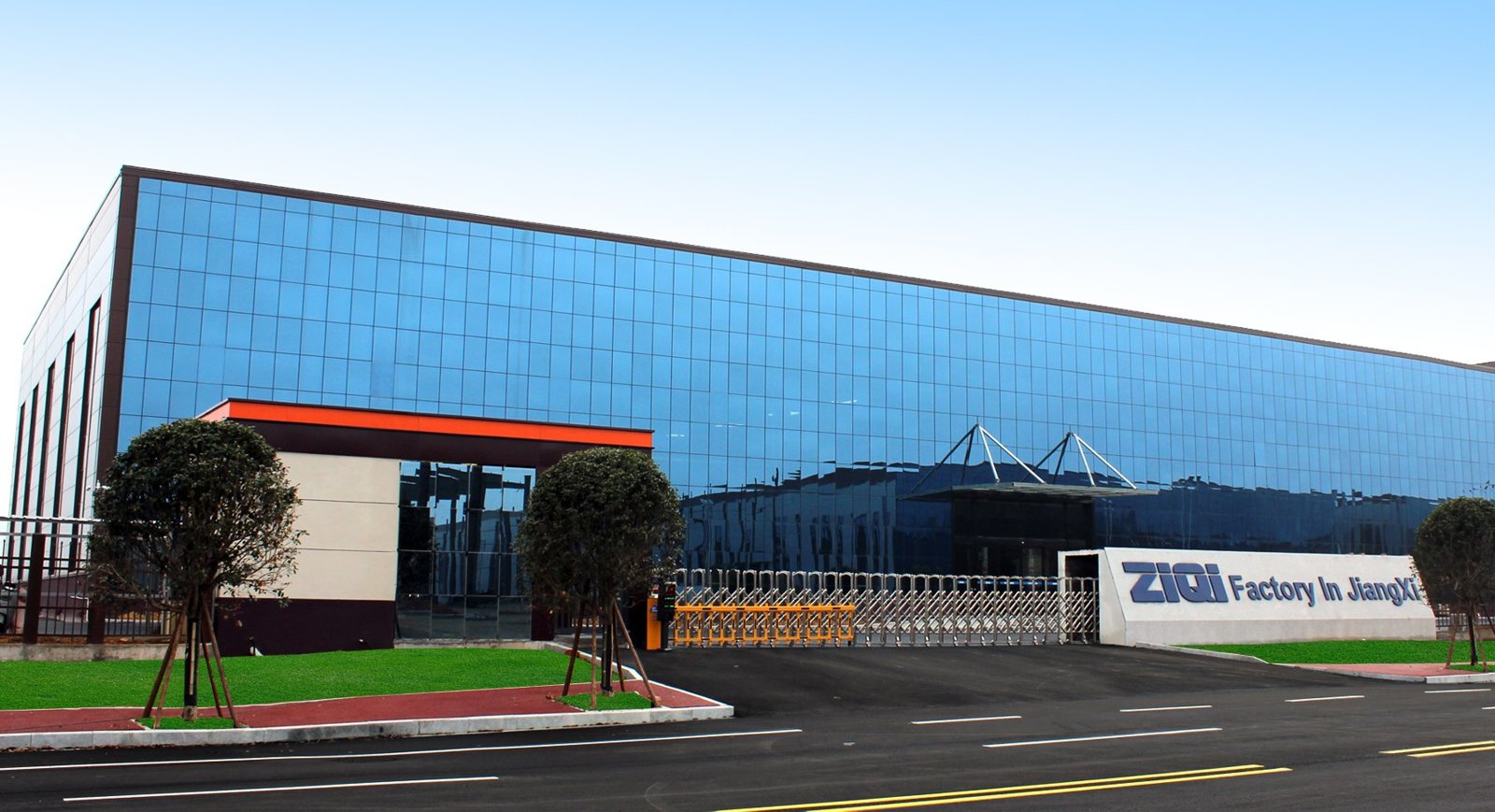
To clarify the Chinese industrial supplier landscape, we have categorized the leading oil-free system options into four tiers based on technical documentation transparency, assembly precision, and core component source tracking.
These multi-national organizations manage large, dedicated manufacturing facilities inside China to supply domestic and regional high-capacity trade corridors. Their dry screw and centrifugal product lines serve as global reference baselines for mechanical reliability. However, this premium operational classification requires significant capital deployment, carrying a substantial initial brand premium that typically impacts mid-market manufacturing expansion budgets.
This tier represents localized engineering groups focused on component transparency and certified performance verification. ZIQI fulfills this specialized segment by maintaining direct, traceable supply lines and verified design certifications. Our dual-line equipment catalog provides comprehensive industrial coverage, using the oil-free screw air compressor (OFW Water-Lubricated Series, 7.5-250 kW) for targeted mid-scale operations, alongside the advanced Centrifugal Compressor (GBTB dynamic series, 110-2,000 kW) for heavy utility infrastructure. This machinery tier is backed by verified, trackable TÜV Class 0 certifications achieved in March 2017 specifically for our GBTB centrifugal product blocks, while our water-lubricated lines utilize strict material isolation to satisfy direct ISO 8573-1 standards.
These domestic manufacturers operate large-scale production facilities and manage extensive regional service networks. Their core business models focus primarily on high-volume standard lubricated machinery, while their oil-free divisions provide competitive entry-level options. Procurement teams should note that certain specialized models in this tier integrate third-party or mixed-source component configurations, which requires closer inspection of individual material compliance files during technical submittals.
Manufacturers within this classification typically operate as regional assembly integrators without proprietary R&D pipelines. While providing low-cost equipment configurations, these options often present data gaps regarding formal third-party trace certification and raw material logging. Procurement teams evaluating these options must factor in potential compliance risks and long-term maintenance overhead when designing sensitive production environments.
Industrial plant design requires matching the correct oil-free compression technology to the facility's specific volumetric flow requirements and operational duty cycles. ZIQI addresses this technical requirement through two distinct engineering configurations:
| Engineering Specification | OFW Water-Lubricated Series | GBTB Dynamic Centrifugal Series |
|---|---|---|
| Power Range Matrix | 7.5 kW to 250 kW | 110 kW to 2,000 kW |
| Volumetric Delivery | 0.8 to 42 m³/min | 20 to 350 m³/min |
| Core Sealing Strategy | Pure water injection serves as the cooling & sealing medium | Atmospheric vent clearances paired with multi-pad carbon labyrinth rings |
| Design Lifespan Rating | Standard 10 to 12 Years | Extended 20+ Years Continuous Service Life |
| Wetted Component Metallurgy | 316 Stainless Steel & Engineering Composites | TC4 Titanium Impellers & Epoxy-Coated Exchangers |
| Primary Deployment Profile | Compact floor footprints with variable, intermittent demands | High-capacity, constant base-load industrial infrastructure |
Different manufacturing sectors require specific technical setups to protect downstream processes from contamination risks. The matrix below defines the required technical parameters across key sensitive industries:
| Target Industry Segment | Critical Compliance Risk | Recommended ZIQI System Line | Required Air Treatment Configuration |
|---|---|---|---|
| Pharmaceutical Processing | Product contamination during direct-contact vessel purging | OFW Variable Speed Screw Series / GBTB Centrifugal | Sub-micron sterile filtration paired with high-efficiency desiccant drying |
| Food & Beverage Packaging | Moisture and oil trace introduction during container blow molding | OFW Single-Screw Water-Lubricated Line | Coalescing particulate defense matched with activated carbon safety traps |
| Semiconductor Fabrication | Micro-layer defects caused by hydrocarbon trace outgassing | GBTB Aerodynamic Centrifugal Series | Ultra-low particulate filtration arrays combined with specialized breathers |
| Precision Textile Weaving | Nozzle clogging and fabric staining from oil carryover | GAS Series paired with advanced multi-stage treatment modules | Standard high-capacity refrigeration dryer systems |
Engineering teams must review core design principles and physical operational dynamics to ensure stable air purity over thousands of hours of continuous industrial use:
Mechanical Isolation Dynamics: Evaluating multi-segmented carbon labyrinth ring seals demonstrates that atmospheric vent paths provide an effective physical barrier. This setup successfully blocks oil vapor from migrating across bearing housings into the dynamic compression chamber under fluctuating pressures.
Isothermal Compression Analysis: Utilizing clean water injection within single-screw compression blocks establishes stable, near-isothermal temperature curves. Restricting internal temperature development prevents high thermal stress profiles, reducing rotor expansion risks and protecting wetted polymer composites from premature degradation.
A notable real-world deployment debated within the r/IndustrialMaintenance engineering community (January 2026) illustrates the dangers of compromising at the air source. A food-grade processing facility invested heavily in infrastructure, installing full 304 Stainless Steel pipelines with complex TIG welding to guarantee zero downstream rust or contamination.

However, to cut approximately $20,000 from their initial equipment budget, the client bypassed a pure oil-free screw air compressor. Instead, they opted for a standard lubricated unit—the ZIQI system featured above, relying on its low operating temperatures and minimal base oil carryover—backed by a heavy multi-stage filtration train connected strictly in series (Water Separator → Coarse → Fine → Activated Carbon Tower).
Industry maintenance experts heavily criticized this setup for two critical engineering failures:
The Maintenance Trap: Because the client also cut parallel piping and bypass valves to save on stainless labor, the plant must completely shut down its production line for 10 minutes every time a single filter element requires replacement.
The Catastrophic Breakthrough Risk: Relying on filters to convert a lubricated compressed air stream into food-grade purity introduces a single point of failure. If an oil separator element degrades prematurely or a carbon tower saturates unexpectedly, mechanical oil carryover will immediately contaminate the stainless lines, potentially ruining hundreds of thousands of dollars in product batches.
The Objective Conclusion: Premium 304/316 stainless steel lines are only as pure as the air feeding them. For critical processing, skipping an ISO 8573-1 Class 0 source like the ZIQI OFW or Centrifugal Compressor series creates a severe operational risk that far outweighs any short-term capital savings.
To ensure standard system performance and avoid common procurement errors, technical teams can consult our comprehensive resource on oil-free vs oil-flooded screw compressor comparison principles. Selecting appropriate machinery configurations requires verifying several key criteria, including proper input motor phase allocations, target pressure values, and appropriate global tariff classifications, as detailed in our specialized Air Compressor HS Code Guide.
Verification requires requesting the official test report number issued directly by recognized third-party agencies such as TÜV Rheinland, TÜV Süd, or SGS. This documentation should be cross-checked against the testing body's public database. Genuine certificates will explicitly confirm that oil content measures remained at 0.00 mg/m³ across all tested flow velocities and pressure ranges.
Dry screw units rely on specialized low-friction rotor coatings like Teflon or MoS2. These coatings gradually degrade over 20,000 to 30,000 hours of operation, which can lead to drops in volumetric efficiency and require expensive airend rebuilds. Water-lubricated single-screw systems eliminate these coating degradation risks by using pure water as a continuous sealing and cooling medium. However, they require consistent water filtration maintenance and regular water quality monitoring.
Centrifugal systems use dynamic, non-contact aerodynamic compression principles that eliminate friction-based wear parts in the compression path. This design supports extended lifespans of 20+ years, while maintaining stable, highly efficient volumetric flow outputs under continuous base-load operational schedules.
No. While oil-free compressors prevent hydrocarbon contamination, the incoming ambient air still contains water vapor. Downstream processes typically require a combination of desiccant or refrigerated air dryers alongside particulate filtration arrays to achieve target pressure dew points and meet specific regulatory moisture limits.
All fluid conduits, air receivers, and structural cooling surfaces must consist of 304 or 316 stainless steel, or specialized food-safe polymer composites. Standard cast iron or carbon steel surfaces are susceptible to internal rust and scaling from condensation, which poses contamination risks for downstream food products.
VSD systems continuously adjust the main drive motor's speed to match real-time facility demand fluctuations. This capability helps eliminate uncompressed air venting during part-load conditions, lowering energy consumption and reducing thermal stress across the system's mechanical components.
These systems require clean, deionized, or reverse-osmosis purified water. High mineral content or untreated tap water can cause scale deposits on the rotors and internal casing surfaces, which increases mechanical friction tolerances and risks localized component seizing.
Standard stainless steel configurations can experience surface pitting over long periods of salt-air exposure. To address this environmental condition, premium configurations use custom-milled TC4 titanium alloy impellers, which provide excellent structural corrosion resistance and maintain reliable aerodynamic performance profiles.
Optimize your plant's infrastructure layouts by reviewing our complete engineering analysis sheets and localized manufacturing directories:
Consult with our specialized application engineers to receive a transparent component breakdown, complete material traceability documents, and localized ex-factory pricing tables promptly.
QUICK LINKS
PRODUCTS
CONTACT US
 Email : inquiry@ziqi-group.com
 Tel: +86-15026767628
 Add:Building 2, No. 205, Jianding Road, Fengjing Town, Jinshan District, Shanghai City.China
PLEASE CONTACT US.

ZIQI Compressor (Shanghai) Co., Ltd
Copyright © 2026 ZIQI Compressor (Shanghai) Co., Ltd - All rights reserved.

