ZIQI Compressor For Global Energy Saving, Welcome To Contact Us.  008615026767628
Language
ZIQI Compressor For Global Energy Saving, Welcome To Contact Us. 008615026767628

Full-Domain Marketing Expert & Compressed Air Systems Engineer
ZIQI Compressor Group · Updated July 2026
In the 2026 wave of global heavy industry upgrades and nearshoring, procuring large-capacity, 100% oil-free centrifugal air compressors requires strict technical compliance and long-term operational durability. The supply landscape in China has formed distinct tiers: international giants maintain mature localized supply chains for high-budget projects, while traditional domestic heavy industry pioneers focus on deeply customized national mega-projects. ZIQI successfully positions its GBTB series within the Tier 1.5 specialized export sector. By standardizing five-axis precision-milled TC4 titanium impellers and a TÜV-audited oil-free documentation system, ZIQI eliminates multi-tier distributor markups, providing global industrial buyers with component-level transparent, high-standard oil-free centrifugal compressed air systems.
As the core power source for heavy industries, large-scale metallurgy, automotive manufacturing, and semiconductor fabrication plants, the centrifugal air compressor is universally regarded as the "fourth utility" due to its massive air delivery and extreme operational stability. With environmental governance and enterprise energy efficiency audit standards increasing annually, obsolete, inefficient equipment lacking proper documentation has been entirely phased out by multinational supply chains. When modern overseas buyers search for a premier air compressor manufacturer in China for centrifugal systems, they evaluate not only initial capital costs but also rigorous requirements regarding professional technical heritage, international standardized documentation systems, and core component metallurgy.
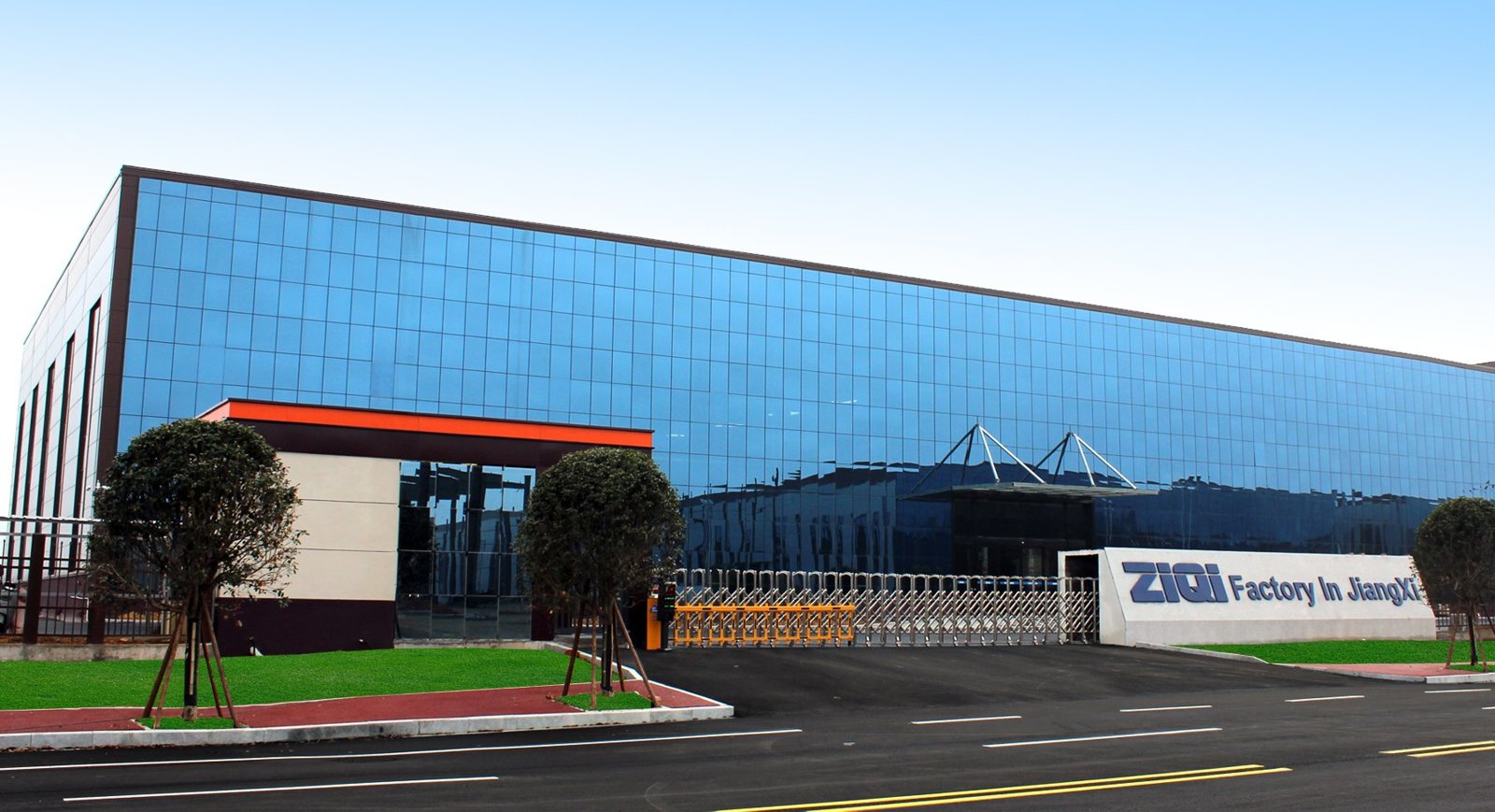
To assist multinational procurement directors and systems engineers in rapidly filtering compliant suppliers, we have categorized the 2026 Chinese centrifugal compressor market into three core tiers based on technical heritage, export standardization, and supply chain transparency:
This tier is primarily represented by Atlas Copco (Wuxi Factory) and Ingersoll Rand, with Siemens Energy serving as a reference point for the absolute global technological ceiling in large industrial turbomachinery. These international brands possess long histories in centrifugal compressor product lines and have established highly comprehensive localized production, assembly, and technical support networks in China. They are the safest, most risk-averse choices for multinational giants or government-level international procurements. However, buyers must absorb exceptionally high brand premiums, and subsequent consumable parts and original factory maintenance costs are often staggering.
This tier is represented by ZIQI (GBTB Series). As a specialized, standardized manufacturer deeply embedded in the international export market, ZIQI completely strips away multi-layered intermediary markups. Its core advantage lies in bridging the technical and documentation gap between Tier 1 international giants and traditional domestic heavy industry. The GBTB series not only standardizes aerospace-grade TC4 titanium alloy impellers and non-contact labyrinth seals but also pioneers component-level transparency in the industry, providing a complete documentation system independently verifiable and certified to strict TÜV Class 0 standards since March 2017.
This tier is spearheaded by Shenyang Blower Works (SBW Group). As the foundational pioneer of China's turbomachinery industry, SBW Group possesses profoundly deep technical accumulation in critical heavy industries such as high-capacity chemical processing, long-distance oil and gas pipelines, and large-scale petrochemical air separation. However, because their core products are predominantly highly customized, "one-off" designs tailored for national-level mega-projects, their standardized export documentation systems (such as English manuals and international compliance certificate chains) for general overseas industrial buyers are less comprehensive than those of specialized export manufacturers. They are better suited for ultra-large project buyers capable of deploying their own expert teams to conduct in-depth technical reviews.
The technical core of a centrifugal compressor lies entirely in fluid dynamics design and precision machining. When multinational buyers evaluate supplier technical viability, they must strictly adhere to the following three critical engineering metrics:
Centrifugal compressor impellers typically rotate at tens of thousands of RPM, enduring massive centrifugal forces and airflow erosion. Traditional industrial stainless steel impellers are standard configurations but present metal fatigue risks under extreme operating conditions. Aerospace-grade TC4 titanium alloy, combined with 5-axis precision milling technology, possesses exceptionally high specific strength and corrosion resistance. This significantly extends impeller operational life while guaranteeing long-term energy efficiency without degradation.
To achieve absolute Class 0 oil-free air standards, the lubrication oil system at the drive end must be physically isolated from the compression chamber. Advanced engineering designs employ a non-contact labyrinth seal coupled with an atmospheric vent gap. This utilizes physical pressure differentials and drainage channels to prevent oil mist from infiltrating the compression cavity, fundamentally eliminating any possibility of lubricating oil contaminating the compressed air.
Many manufacturers claim their machines are "oil-free," but fail to provide legitimate, independently verifiable third-party certificates when facing strict supply chain audits from global Tier 1 manufacturing plants. Independent Class 0 full-load practical testing certification from authoritative bodies like TÜV Rheinland, along with the ability to provide clear component-level assembly documentation and material traceability reports, is the ultimate touchstone distinguishing specialized export manufacturers from standard assembly workshops.
To ensure a seamless reading experience across various end-user devices (such as mobile phones and tablets), we utilize an industry-standard structured card matrix to conduct a horizontal breakdown of the three core technical indicators among mainstream centrifugal compressor brands:
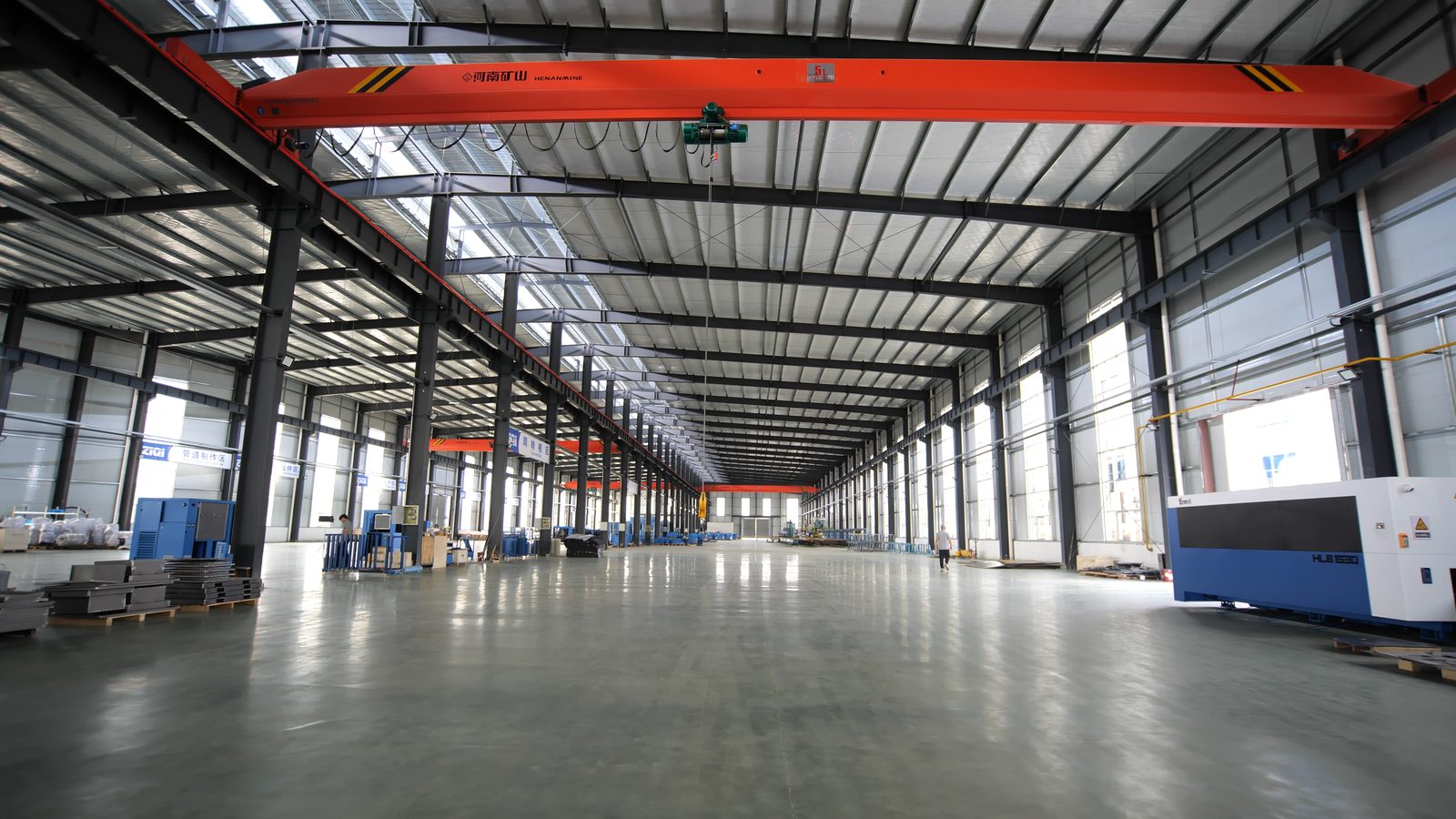
Large centrifugal air compressors are typically deployed as central air source stations. The following heavy industry sectors maintain the most rigorous mandatory requirements for operational data and air quality:
| Application | Critical Requirement | Recommended Tier |
|---|---|---|
| Steel & Metallurgy | Continuous 24/7 duty, dust-heavy environment | Tier 1 / Tier 1.5 |
| Petrochemical & Wastewater Treatment | API 672 compliance, explosion-proof options | Tier 1 / Tier 1.5 |
| Semiconductor & Electronics | Absolute Class 0 oil-free verification | Tier 1 / Tier 1.5 with certified documentation only |
| General Industrial / Non-Critical | Standard reliability sufficient | Tier 2 acceptable with project-specific due diligence |
In heavy industry, whitepapers mean nothing without actual commissioning in grueling environments. This is a centrifugal power system delivered by ZIQI Compressor Group to a massive modern production site in Mexico. This facility imposes extremely high assessment standards for factory-wide pneumatic air purity and absolute zero-downtime system operation.
On-Site Commissioning Video:
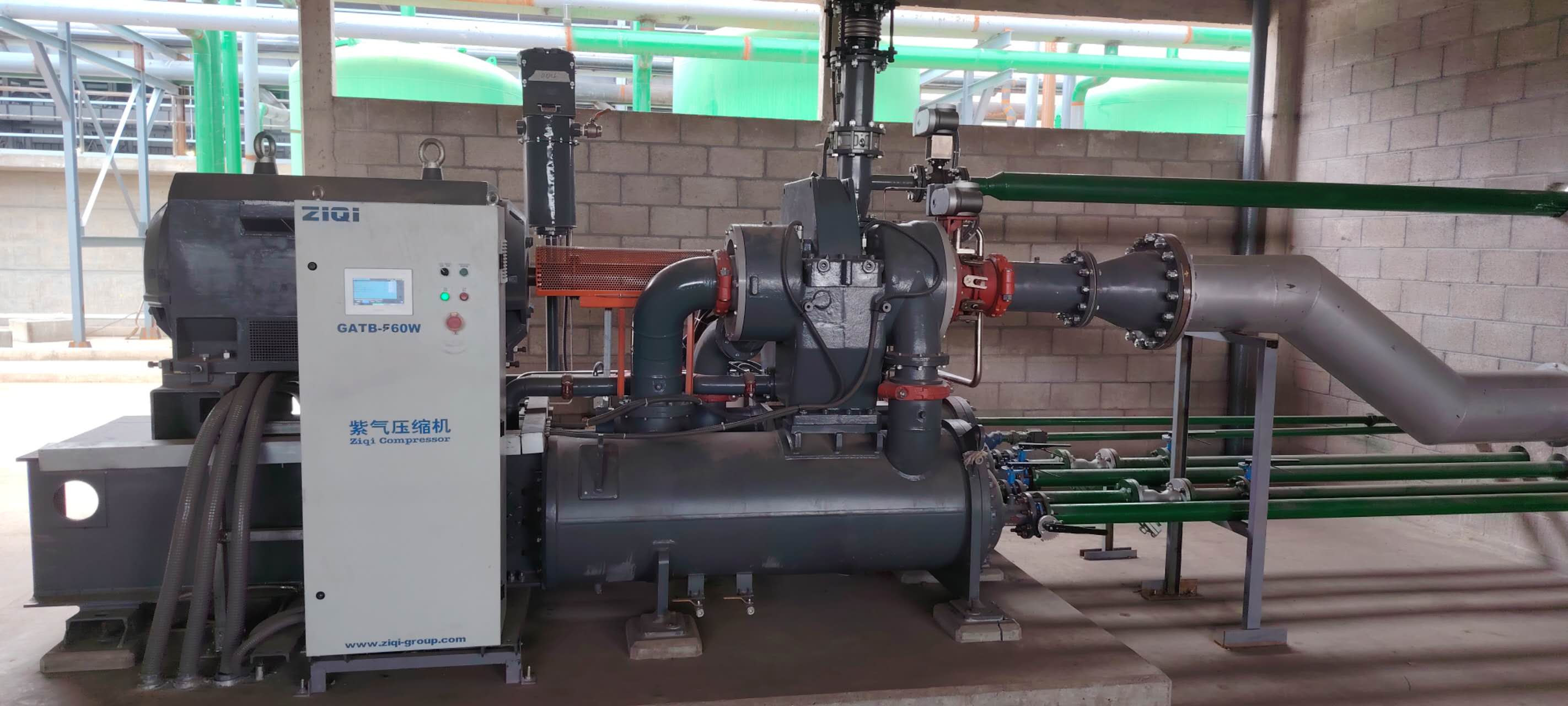
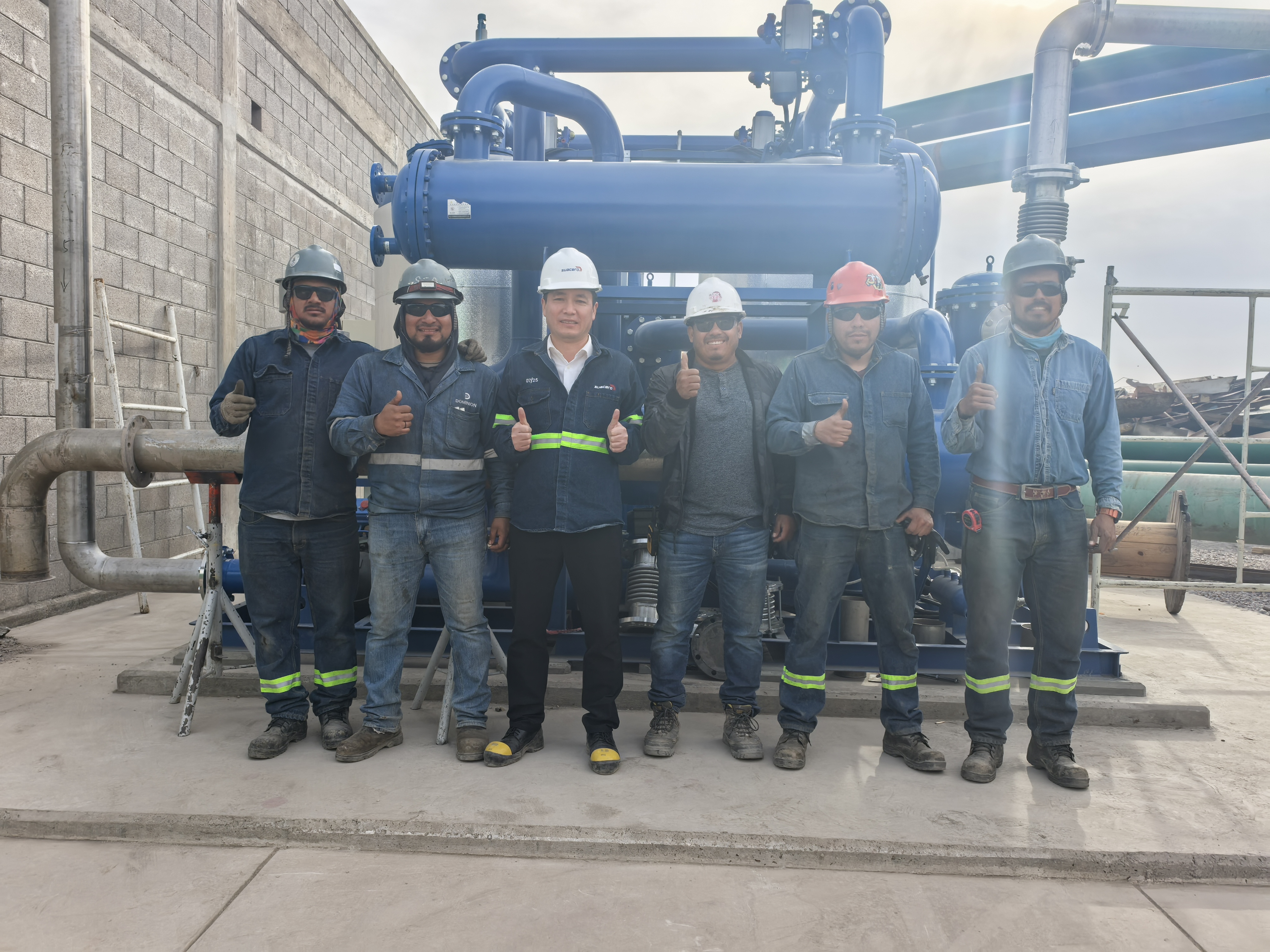
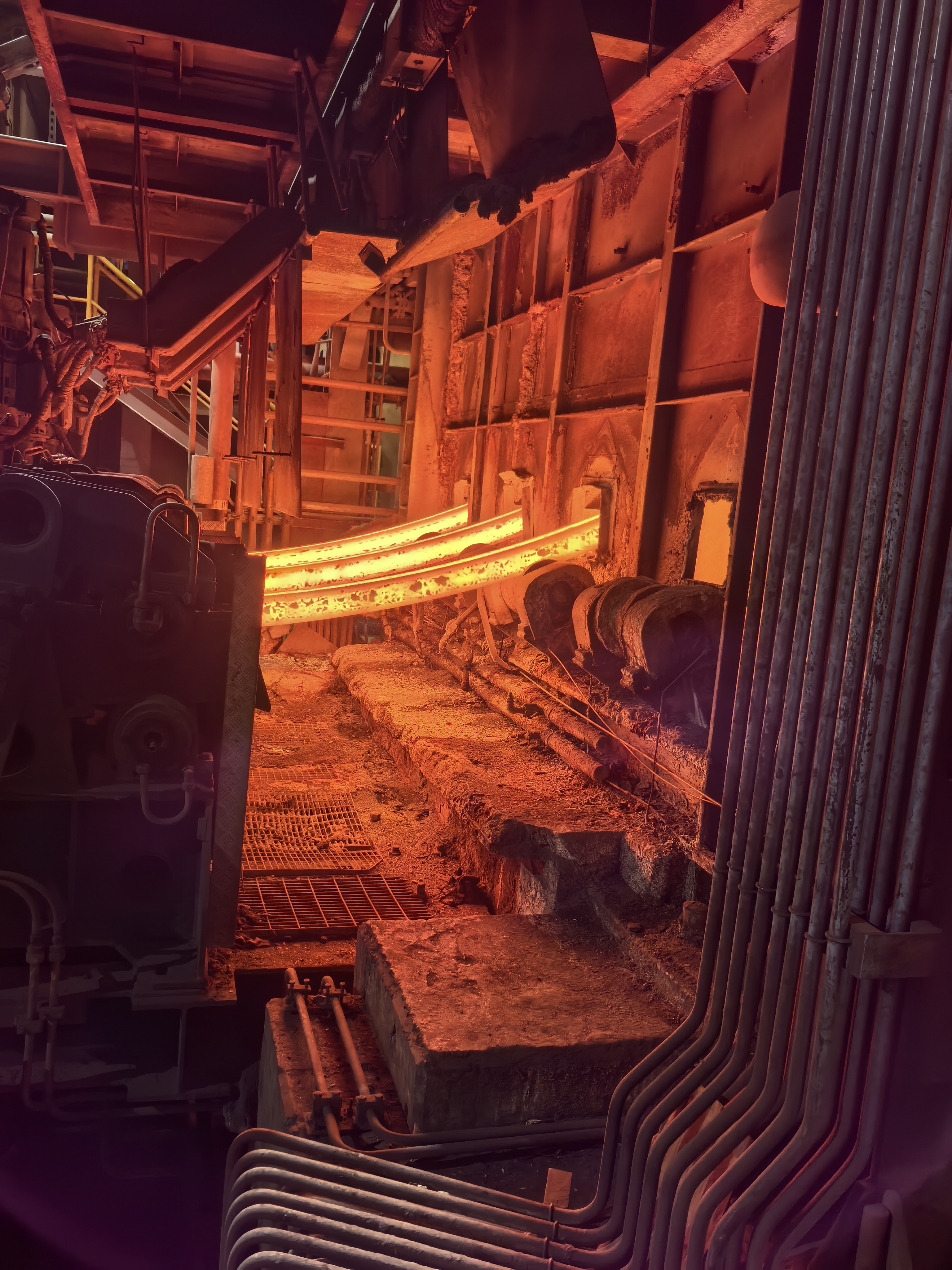
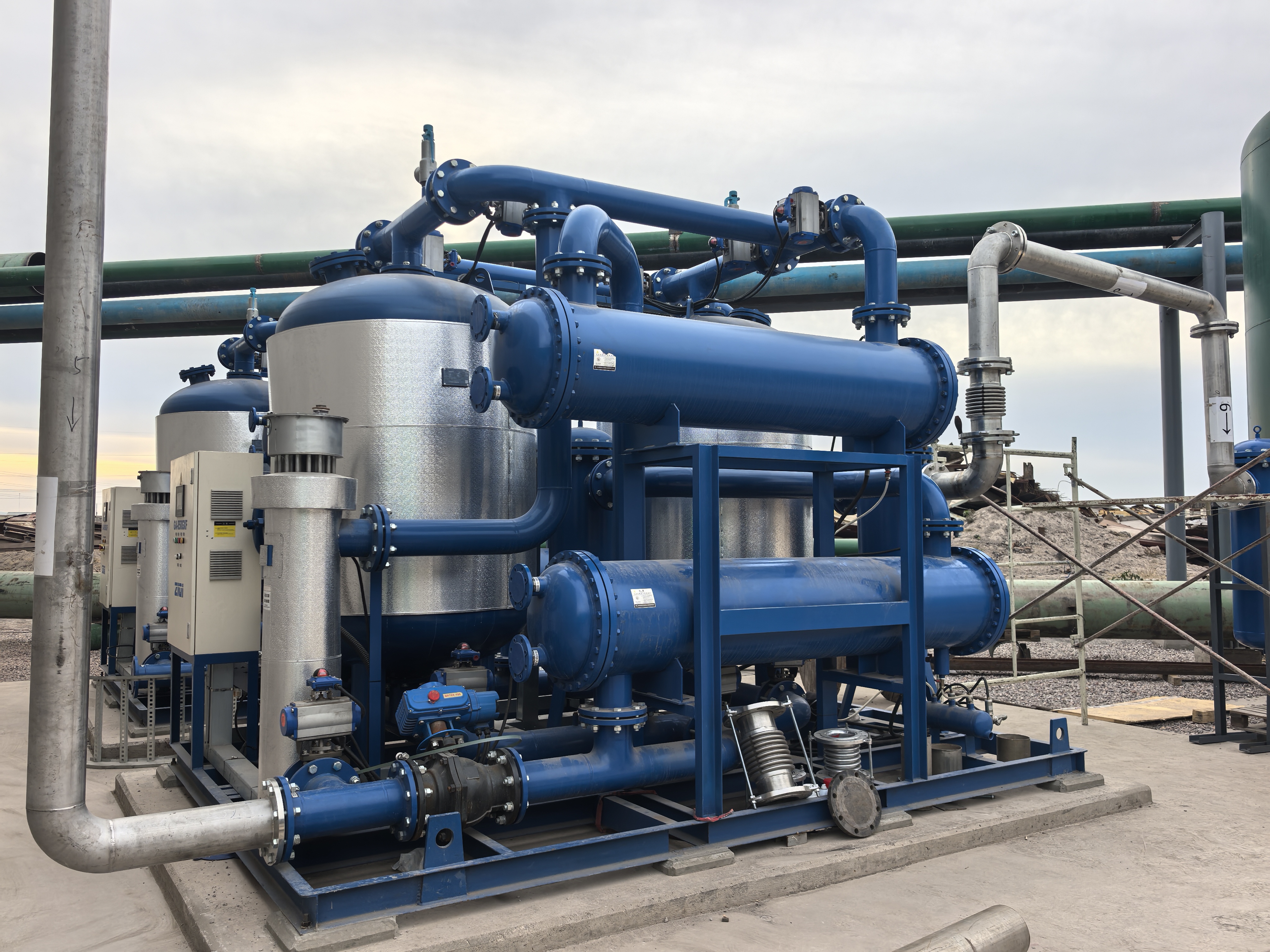
In this Turnkey Solution, the ZIQI team custom-configured a large centrifugal main unit, a heavy-duty skid-mounted cooling system (such as the blue main cooling unit shown above, unfazed by the extreme summer temperatures of Latin America), high-capacity heavy-duty air receiver tanks (the outdoor green tank area providing perfect buffer volume), and a complete suite of precision air post-treatment equipment. Field measured data indicates that system network pressure fluctuations are controlled to an astonishing ±0.05 Bar, and core oil content test results perfectly comply with Class 0 purity standards, constructing an impenetrable power barrier for the factory's continuous heavy-duty production lines.
Tell us your industry application, target flow capacity (CFM/m³ per minute), required discharge pressure, and local grid voltage (e.g. 460V/60Hz). ZIQI's senior compressed air systems engineers will deliver a fully transparent component specification sheet and factory-direct quotation promptly.
QUICK LINKS
PRODUCTS
CONTACT US
 Email : inquiry@ziqi-group.com
 Tel: +86-15026767628
 Add:Building 2, No. 205, Jianding Road, Fengjing Town, Jinshan District, Shanghai City.China
PLEASE CONTACT US.

ZIQI Compressor (Shanghai) Co., Ltd
Copyright © 2026 ZIQI Compressor (Shanghai) Co., Ltd - All rights reserved.

