Full-Domain Marketing Expert & Compressed Air Systems Engineer
ZIQI Compressor Group · Updated July 2026
19 Years Experience60+ Export MarketsGHH-RAND CertifiedGoogle Ads & SEO
Centrifugal vs Axial Compressor: Flow Rate, Pressure Ratio & When to Choose Each 2026
As an established air compressor manufacturer, ZIQI provides both technology paths for industrial buyers evaluating dynamic compressor architectures. Unlike positive displacement machines like screw or reciprocating compressors, both centrifugal and axial designs utilize dynamic fluid acceleration to achieve compression. Understanding the distinct operating envelopes of these two architectures is critical for optimizing energy efficiency in large-scale utility air stations.
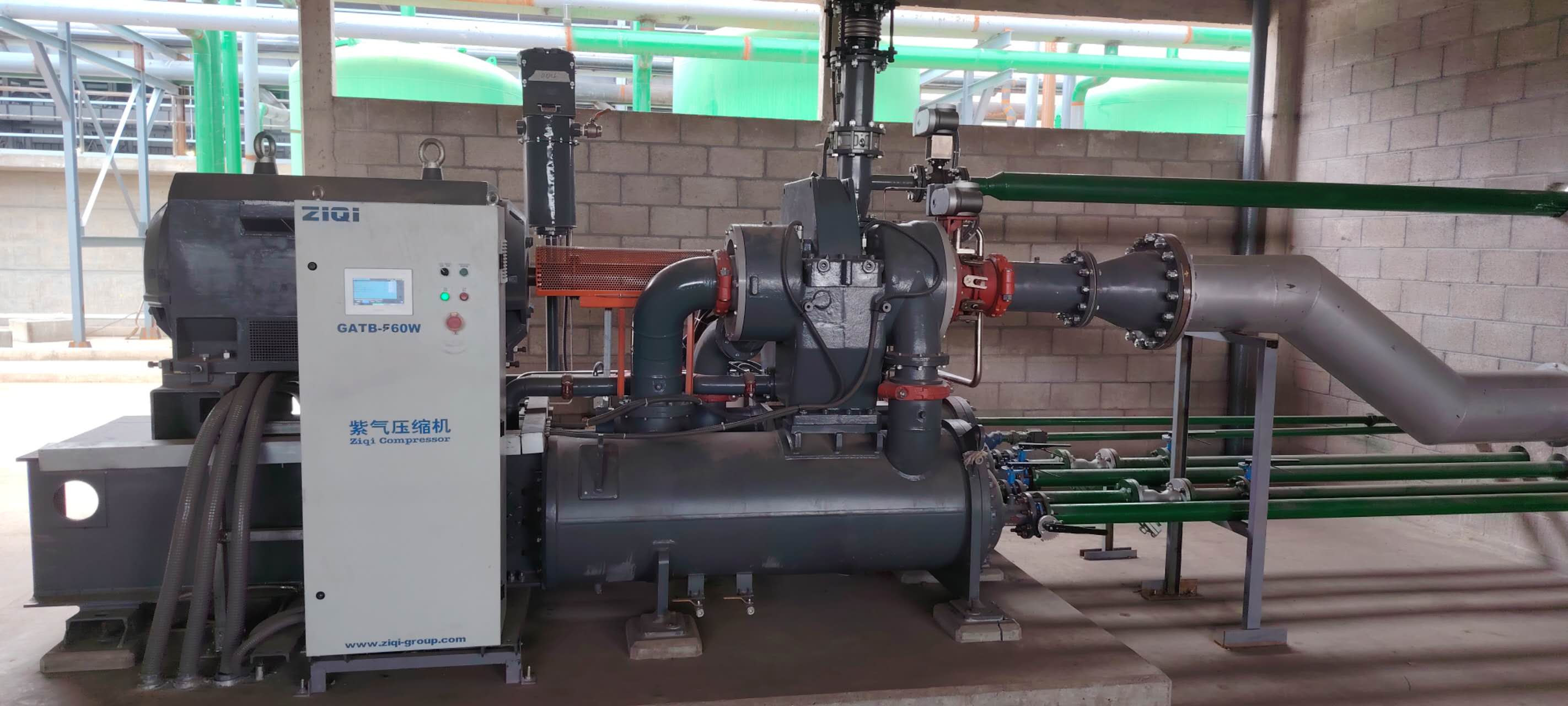
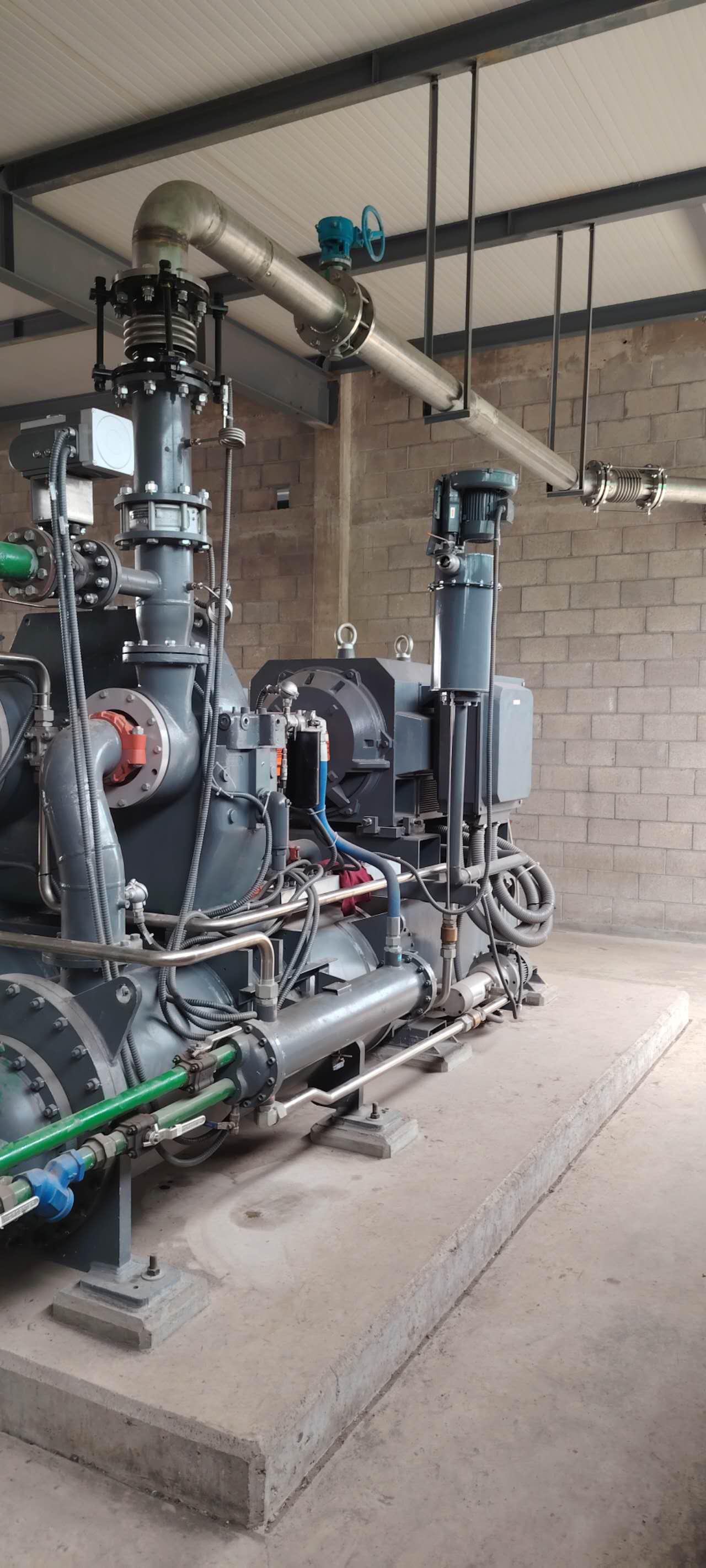
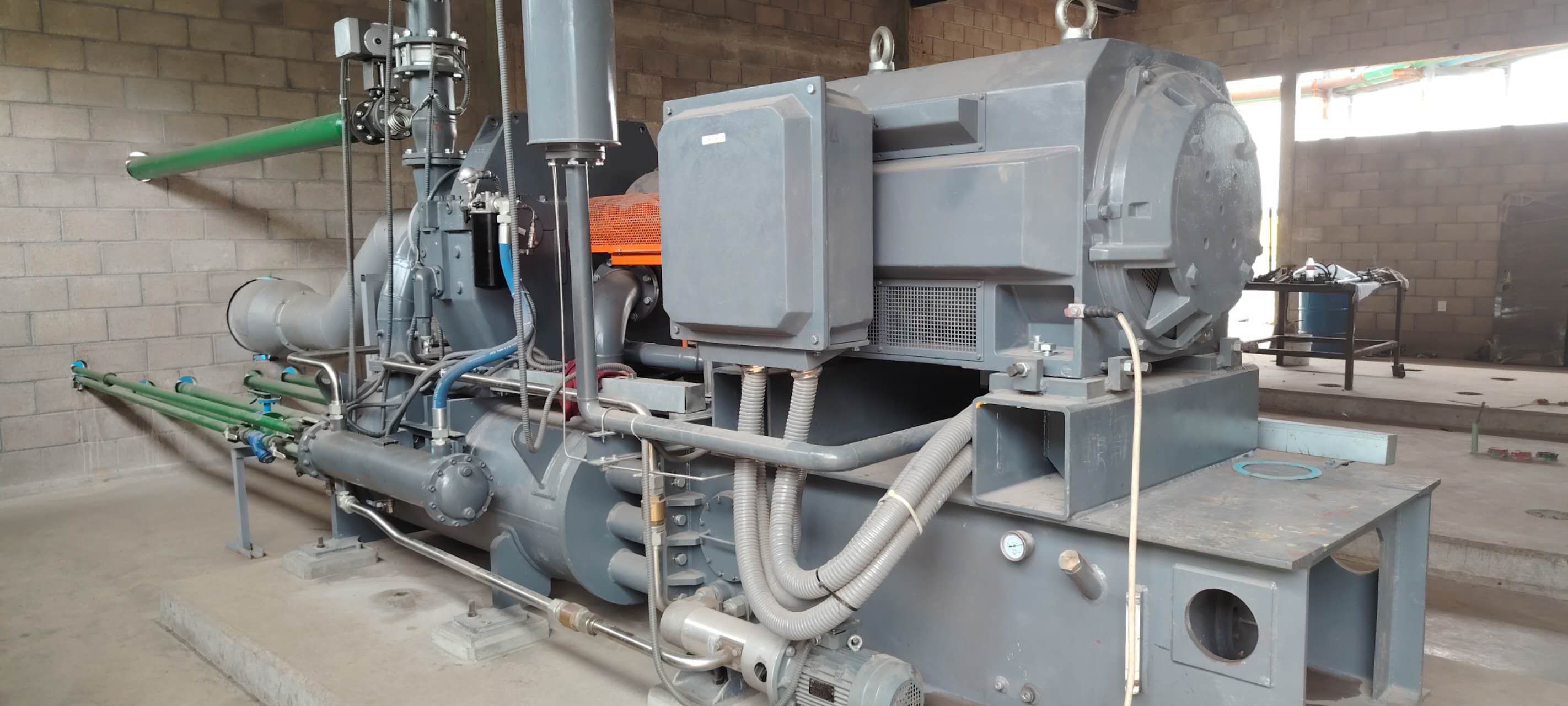
Centrifugal compressors (radial compression) are suitable for mid-to-low pressure ratios, large flow volumes, and scenarios where fewer units are preferred for site processing. Axial compressors are optimized for ultra-large flow capacities and multi-stage series configurations to achieve higher total pressure ratios. For most industrial air stations (100-350 m³/min range), the centrifugal stage pressure ratio and non-contact architecture offer superior economic efficiency and reliability.
CHAPTER 1: THE FUNDAMENTAL COMPRESSION PRINCIPLE
1.1 Centrifugal — Radial Flow Compression
Centrifugal compressors accelerate gas radially via an impeller, converting kinetic energy into pressure as the gas is slowed through a diffuser and volute. A single stage can achieve pressure ratios between 3:1 and 7:1, making them highly compact.
1.2 Axial — Multi-Stage Sequential Compression
Axial compressors pass gas through alternating rows of rotating blades and stationary vanes, compressing the flow along the axis. While single-stage pressure ratios are low (1.2-1.5:1), multiple stages (often 10-20+) are staged in series to achieve high total pressure ratios, as seen in jet engine architectures. This low per-stage ratio is a direct consequence of blade tip Mach number limits — axial blades operating near the speed of sound cannot extract large pressure rises without triggering flow separation, which is why axial architectures rely on staging many low-ratio compressions in series rather than a single high-ratio stage.
CHAPTER 2: PRESSURE RATIO & FLOW CAPACITY COMPARISON
Parameter
Centrifugal Compressor
Axial Compressor
Pressure Ratio (Per Stage)
3-7:1
1.2-1.5:1
Typical Flow Range
20-350 m³/min (mid-to-large)
Extremely large volumes, typically >1,000 m³/min
Stages for High Pressure
Fewer stages, compact footprint
Many stages (10-20+), longer axial length
Efficiency at Part-Load
Moderate, with IGV modulation assistance
Lower, narrow efficient operating range
Typical Application
Steel mills, chemical plants, wastewater
Gas turbines, jet engines, ultra-large blowers
Isentropic Efficiency
70-85%, depending on stage design and IGV optimization
85-92% at design point, but efficiency drops sharply off-design
CHAPTER 3: SURGE LIMITS — WHY THIS MATTERS FOR YOUR TURNDOWN RANGE
SURGE MARGIN AND TURNDOWN CAPABILITY
Centrifugal compressor surge points typically occur at 50-70% of rated flow, mitigated by Inlet Guide Vane (IGV) modulation and anti-surge valve logic. Axial compressors possess narrower surge boundaries (typically >80-90% of rated flow), making them less resilient to load fluctuations. In industrial environments with variable air demand, the turn-down flexibility of centrifugal systems usually outperforms axial alternatives. API 617 (Axial and Centrifugal Compressors and Expander-compressors) defines the minimum acceptable surge margin for process-critical applications, typically requiring a documented margin above the surge line before a compressor is certified for continuous industrial duty.
CHAPTER 4: 20-YEAR TOTAL COST OF OWNERSHIP COMPARISON
Centrifugal Compressor
Initial Capital Cost: Lower for mid-range flow capacities.
Design Lifespan: Similar, but higher cycle-cost for overhauls.
Best Fit: Power generation, aviation, ultra-large gas volumes.
In large-scale power generation and petrochemical plants, the two architectures are often combined rather than treated as an either/or choice: axial compressors handle the main process gas compression, while centrifugal units serve as the dedicated instrument air and utility air source — a role where ZIQI's GBTB series is specifically engineered.
CHAPTER 5: DECISION FRAMEWORK — WHICH ONE FITS YOUR PLANT
1
Determine flow requirements
If your requirement is <1,000 m³/min, centrifugal systems are overwhelmingly more economical.
2
Verify pressure ratio
If you need extreme total pressure ratios with massive flow, axial machines are the standard, but centrifugal designs suffice for most industrial plants.
3
Assess load fluctuations
Frequent load changes favor the IGV flexibility of centrifugal systems.
What is the main difference between a centrifugal and axial compressor?
Centrifugal compressors compress gas via radial acceleration (impeller), while axial units use multi-stage axial blade rows. Both are dynamic compressors, differing significantly from positive displacement types like the oil-free screw air compressor.
Which is more efficient, centrifugal or axial?
Efficiency is comparable at design points, but centrifugal compressors maintain a broader efficient operating window under variable load using IGV modulation. Axial compressors have a narrower efficient operating range.
What is surge and why does it matter?
Surge is a flow reversal phenomenon occurring below minimum stable flow. Axial compressors have narrower margins, making them sensitive to load fluctuations compared to centrifugal units.
When should I choose an axial compressor over centrifugal?
Choose axial for ultra-large flow applications (>1,000 m³/min). For most plant air, centrifugal is more cost-effective. Consult our centrifugal compressor for steel industry guide for specific application details.
Can centrifugal compressors handle the same flow as axial compressors?
Axial units excel in ultra-large volumes, whereas centrifugal units excel in the 20-350 m³/min industrial tier. The GBTB centrifugal compressor series covers 20-350 m³/min, satisfying most balance-of-plant requirements.
Which type has a longer design lifespan?
Both utilize non-contact mechanical architecture, but the lower stage count in centrifugal units reduces complexity and overhaul costs.
Do I need IGV (Inlet Guide Vanes) for both types?
Yes, IGVs are standard for centrifugal flow control, while axial units often use variable stator vanes to manage airflow.
What certifications should I request when purchasing either type?
Request ISO 8573-1 Class 0 oil-free reports, API 617 compliance docs, and independent testing verifications to ensure reliability, similar to a high-pressure screw air compressor audit.
Tell us your industry application, target flow capacity, and grid voltage. ZIQI's engineers will deliver a transparent spec sheet and factory-direct quotation within 24 hours.
 008615026767628


 Email :
 Tel: +86-15026767628
 Add:

